A steady decline in carbon intensity
As of 31 December 2025, the carbon intensity of BNP Paribas' financing in the automotive sector amounted to 141 grams of CO₂ per kilometre (gCO₂/km), compared to145 gCO₂/km in 2024 and 167 gCO₂/km in 2022. This significant reduction can be explained by two main drivers:
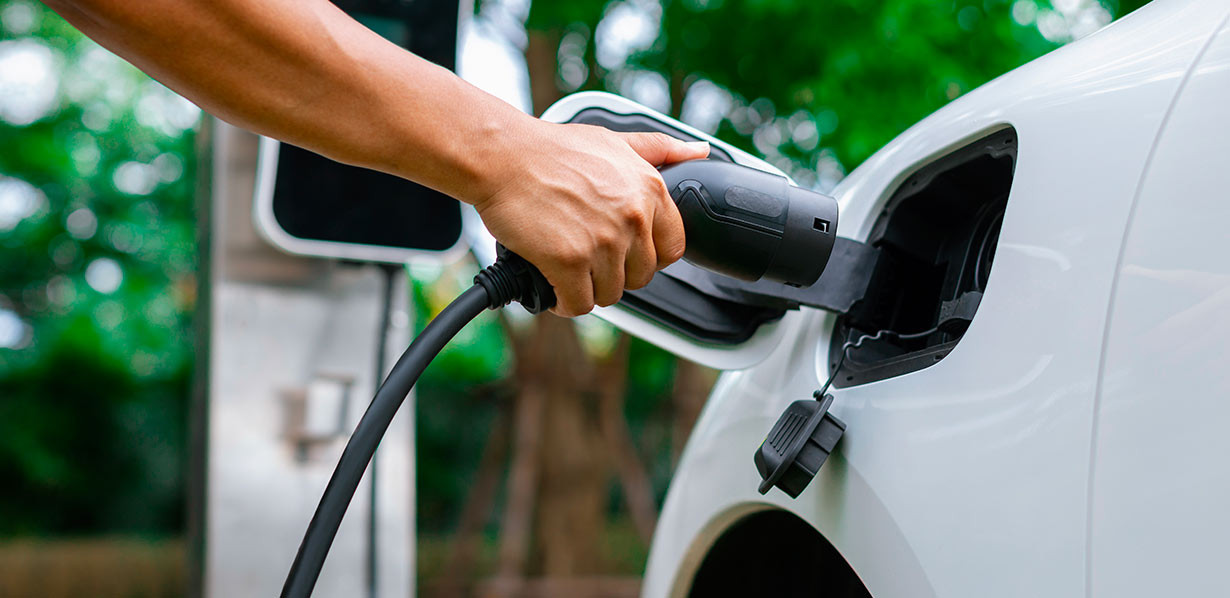
- Vehicle electrification: The share of electrified vehicles (electric and hybrid) in the portfolio of loans granted to automotive manufacturers financed by BNP Paribas increased from 16% at the end of 2024 to 19% at the end of 2025.
- Portfolio adjustment: changes in its composition reflect clients' evolving strategies towards lower-emission powertrains, particularly in corporate vehicle fleets, which account for a significant share of new vehicle purchases.
is the carbon intensity of BNP Paribas' financing in the automotive sector in 2025
This trend is part of a contrasting market context. Although electric vehicle sales rebounded in 2025, this was not enough to fully offset the slowdown observed in 2023 and 2024, particularly in the European Union. The recovery has gathered further momentum in 2026, with electric car sales now standing at more than 22.7% since the beginning of the year. (source : European Automobile Manufacturer's Association)
Electrification, a pillar of the decarbonisation strategy
For BNP Paribas, the evolution of lower-emissions powertrains is the main lever for reducing the carbon footprint of its automotive financing portfolio. By actively supporting its clients in their technological transition, the Group is accelerating the adoption of sustainable mobility solutions, while addressing the specific needs of each stakeholder across the value chain.
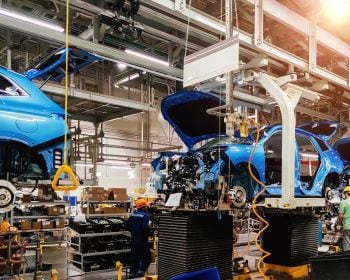
This approach is illustrated by BNP Paribas' financing activities, including its support for Stegra since 2024. The Swedish start-up is building a plant scheduled to be operational by 2030, with the aim of supplying the market with five million tonnes of low-carbon steel based on green hydrogen. This includes an annual supply of 50,000 tonnes to Mercedes-Benz, thereby contributing to the decarbonisation of automotive manufacturing in Sweden.
Global support for a low-carbon economy
Transforming the automotive sector requires substantial investment: upgrading vehicle ranges, adapting industrial capacity and developing new technologies. BNP Paribas goes beyond monitoring its automotive portfolio by embedding this approach within a global strategy to support its clients towards a low-carbon economy transition.
The decarbonisation of credit portfolios is one of BNP Paribas' strategic priorities. With clear targets for nine key sectors – including automotive – the Group demonstrates its ability to combine financial performance and positive impact, while meeting stakeholders expectations.
Between 2022 and 2025, the Group had allocated €252 billion to financing that contributes to the ecological transition, exceeding its initial target of €200 billion, including €73 billion for 2025 alone. These commitments cover various sectors and types of financial support, reflecting BNP Paribas' ambition to reconcile economic growth and environmental responsibility.