
In an environment where skills are rapidly evolving, careers are lengthening, and technological and societal transformations are accelerating, continuous learning has become a key factor in performance. The challenge? To create the conditions for knowledge and experience to flow and enrich interactions among employees regardless of their background, profession, expertise, or seniority. Intergenerational dynamics are an essential lever to achieve this. They foster exchange and collaboration between individuals with complementary backgrounds and experiences, thereby accelerating collective learning, stimulating innovation and performance, and facilitating knowledge transfer. At BNP Paribas, our ambition is to build a culture where everyone can be both a learner and a mentor. A culture where experience fuels innovation just as much as new ideas enhance established practices.
A Changing Workplace: when generational diversity becomes a lever for success
By 2030, 40% of European workers will be over the age of 55 (Eurofound), while Generation Z will account for nearly one-third of the global workforce (World Economic Forum). In this rapidly evolving demographic and technological landscape marked by digital transformation, the rise of AI, and sustainability challenges companies face a major challenge. Recruiting, developing, and transferring knowledge: these are all levers to enhance talent at every stage of life. The true challenge for businesses is no longer just attracting or retaining talent it is enabling knowledge, expertise, and experience to circulate in a world where skills are evolving faster than ever. Intergenerational collaboration is one of the key drivers of collective intelligence and performance.

Our true competitive advantage is not just what each individual knows. It is our collective ability to share knowledge, combine experiences, and learn faster than our environment evolves

Is it really a question of age?
Yet, far from the stereotypes pitting "digital-native youth" against "experienced seniors", the true strength of organizations today lies in the complementarity of perspectives, skills, and backgrounds. According to an Indeed x YouGov survey, 75% of employers believe that age diversity directly contributes to the success of their organization. At BNP Paribas, this belief is put into practice daily: intergenerational collaboration is not about age, it is a driver of collective intelligence and knowledge transfer. This approach moves beyond stereotypes to recognize the unique contributions of every employee, regardless of age or experience.
Beyond generations: shared aspirations and complementary skills
While Baby Boomers, Generation X, Millennials, and Generation Z have different histories and relationships with work, their expectations are increasingly aligning:
- A balance between professional and personal life (flexibility, remote work),
- Meaningful work (societal engagement, environmental impact),
- Opportunities for continuous learning (training, mentoring, upskilling),
- Fair recognition (salary, career progression).
90% of workers believe that each generation brings valuable skills to the company (CSA/LinkedIn study, 2024).How can we reconcile knowledge transfer with innovation? How can we prevent the retirement of senior employees from leading to a critical loss of expertise? The answer lies in fostering a culture of mutual learning where experience fuels agility, and fresh ideas invigorate established practices and performance.
Intergenerational collaboration in action: when teamwork creates value
Companies that successfully unite generations around shared projects see tangible benefits:
- Improved talent retention, particularly among younger employees (only 29% of Gen Z consider staying with their company without clear career prospects, according to Randstad),
- Accelerated innovation, driven by the exchange of diverse perspectives.
At BNP Paribas, this dynamic is reinforced through concrete initiatives designed to break down generational silos and foster knowledge sharing.
Building a culture of learning does not rely on a single initiative. It is the combination of multiple levers: leadership, HR programs, communities, and collaborative spaces, that creates the conditions for continuous learning
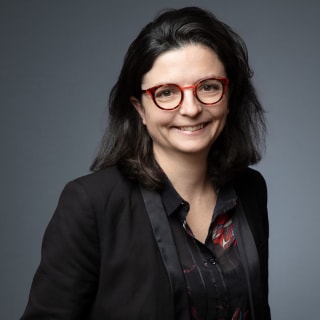
Sophie Devillers
A corporate culture that values mutual learning and knowledge sharing
- Mentoring and reverse mentoring: a win-win exchange
In Italy, the Learning Experts Community program certifies experienced employees to become internal trainers, ensuring the transfer of critical skills.
In France, the WeGenerations employee network brings together over 1,000 employees through bidirectional mentoring programs, where juniors and seniors learn from each other. Already, 400 employees have benefited from this initiative.
- Intergenerational tandems: innovating together
In Poland, the Intergenerational Tandems program pairs employees of different ages on concrete projects, under managerial supervision. This initiative inspired the Beyond Generations Manifesto, a charter promoting age-inclusive collaboration.
- The Tech Academy: upskilling at any age
Facing the rapid obsolescence of skills, companies must make continuous learning accessible to all. BNP Paribas launched the Tech Academy in 2025. It embodies an inclusive, intergenerational approach to upskilling, offering all employees regardless of age or expertise training on key digital topics (data, AI, IT tools, agile methods). With tailored pathways, from beginner introductions to advanced modules for experts (upskilling/reskilling), the Tech Academy has already trained 73,000 employees in 2025 (37% of the workforce), including over 22,000 in generative AI. This demonstrates that accessible, continuous learning is a pillar of collective performance and adaptation to technological change.
- CrescendO: reinventing the third career phase
The CrescendO program at BNP Paribas supports employees in the later stages of their careers, helping them take stock, plan, and continue evolving according to their aspirations. Structured around four key pillars, it combines awareness-raising, individual coaching, and managerial tools to turn this phase into an opportunity. The goal: leveraging experience to drive collective performance for both employees and the company.
Additionally, since 2022, the Group has joined the Commitment for the Employment of Over 50s, a collective initiative uniting 300 companies around shared goals: non-discriminatory hiring, continuous training, job retention, and combating age-related biases.
- ADR: knowledge transfer extends beyond the company
The BNP Paribas Retirees Association (ADR) has 18,000 members, including active and retired employees. It plays a social, cultural, and solidarity-driven role, fostering an active link between former employees and the Group. By preserving collective memory, encouraging informal exchanges across generations, and reinforcing a culture where experience remains valued long after retirement, it proves that intergenerational collaboration endures over time.
For BNP Paribas, generational diversity is a strength: through their different perspectives, our employees co-create innovative solutions. Across the Group, we are implementing numerous initiatives to promote intergenerational inclusion and build a workplace where every generation can contribute, share expertise, and feel included and valued
Toward an organization where knowledge flows freely
For a long time, companies viewed knowledge transfer as a top-down process: the most experienced employees would pass on their expertise to younger colleagues. In a learning organization, knowledge circulates in all directions: across generations, professions, career paths, areas of expertise, and cultures. Everyone brings unique experiences, perspectives, or skills that enrich others. Intergenerational collaboration then takes on a new dimension: it is no longer just about transferring knowledge but creating the conditions for mutual and continuous learning, where experience fuels innovation just as new ideas enhance existing practices.
Intergenerational collaboration: a lever for innovation, performance, and collective growth
In a world where skills are evolving at breakneck speed and employee expectations are shifting, companies that harness the power of generational diversity will gain a major competitive advantage.
At BNP Paribas, this belief is reflected in a comprehensive approach:
- Knowledge-sharing programs,
- Equitable access to training,
- Collaborative spaces where innovation emerges from the intersection of experiences,
- A daily commitment to an inclusive culture.